 Arashiyama Boat Ride
Best Time of Year for the Hozugawa River Boat Ride: A Month-by-Month Guide
The best time for Hozugawa river boat ride is late March through mid-April, when cherry blossoms line the gorge and the river runs at a moderate, comfortable pace, with November's foliage season as an equally strong runner-up. As of August 2026, both windows sell out days ahead, even on weekdays, so the trade-off for the best scenery is booking early rather than paying more. The quieter, easier-to-book stretch runs from early summer through late autumn outside those two peaks, and the one window to actively work around is the turn-of-the-year closure, when the boat association shuts the service down entirely.
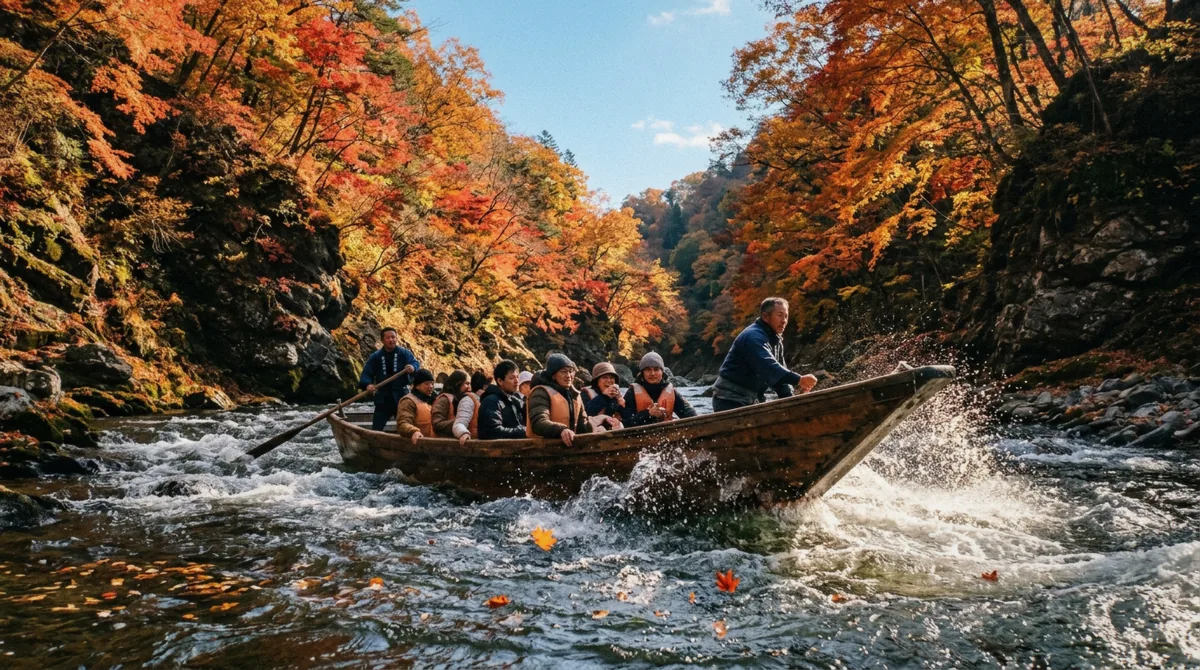
Quick answer The best window, the runner-up, and the one stretch to avoid
Late March through mid-April, sakura season, is the best time for the Hozugawa river boat ride, thanks to blossoms along the gorge and a comfortable, moderate river pace. November's foliage season runs a close second, with color instead of blossoms and similarly heavy demand. Both windows sell out days ahead, so book early rather than expecting a same-week seat.
Key takeaways
- Best window: late March to mid-April, cherry blossoms and a moderate river pace (full seasonal fees are on our tickets guide)
- Runner-up: all of November, foliage instead of blossoms, similarly heavy demand
- Avoid: December 29 through January 4, when the service closes entirely for the year
- Counterintuitive fact: rain rarely stops a departure, it's wind and water level that ground the boats, not rain on its own
- Best time of day: early departures in peak weeks, midday in the quieter shoulder months
- June's rains actually speed the descent, pushing the ride down to around 90 minutes instead of the usual two hours
Seasons at a Glance
Read the Verdict column first for the short answer, then the two columns beside it before you book a specific date.
| Month | River & Weather | Crowds | Verdict |
|---|---|---|---|
| January | Cold, winter timetable, four departures only | Moderate, closed Jan 1–4 | Quiet but limited |
| February | Coldest month, winter boats, no heating | Low | Bundle up, book flexible |
| March | Warming, sakura begins late month | Building fast | Book ahead from late March |
| April | Peak sakura through mid-month, mild | Peak | Best scenery, book early |
| May | Fresh green, azaleas along the banks | High | Great alternative to April |
| June | Rains speed the run to about 90 minutes | Moderate | Faster ride, pack a raincoat |
| July | Warm, humid, canopy-covered runs | Moderate | Comfortable, less crowded |
| August | Hot, canopy up for sun as much as rain | Moderate | Good value, hot weather |
| September | Cooling, typhoon risk possible | Low | Watch the morning status page |
| October | Mild, clear skies common | Moderate, building | Easy booking, good weather |
| November | Foliage peak along the whole gorge | Peak | Best color, book days ahead |
| December | Cold returns, winter timetable begins mid-month | Low, closed Dec 29–31 | Closes for the year late month |
The pattern across the table is straightforward: the two color seasons, spring blossoms and autumn foliage, deliver the best conditions and the heaviest demand at the same time, so the trade-off for the prettiest ride is planning ahead rather than paying more. The Sagano Romantic Train, which many riders pair with the boat, does not run in January or February for winter maintenance; travelers set on that combination should plan around March onward instead.
Kyoto and Kameoka Temperatures Through the Year
| Month | Typical High (°C) | Typical High (°F) |
|---|---|---|
| January | 9°C | 48°F |
| February | 10°C | 50°F |
| March | 14°C | 57°F |
| April | 20°C | 68°F |
| May | 25°C | 77°F |
| June | 28°C | 82°F |
| July | 32°C | 90°F |
| August | 33°C | 91°F |
| September | 29°C | 84°F |
| October | 23°C | 73°F |
| November | 17°C | 63°F |
| December | 12°C | 54°F |
Figures are typical daytime highs for the Kyoto and Kameoka area, sourced to Japan Meteorological Agency normals, not a forecast for a specific date; check the current forecast close to your dates. The water on the gorge always feels a few degrees cooler than the air, so a warm-sounding month can still call for a light layer on the boat. August is the hottest month at 33°C, and January the coldest at 9°C.
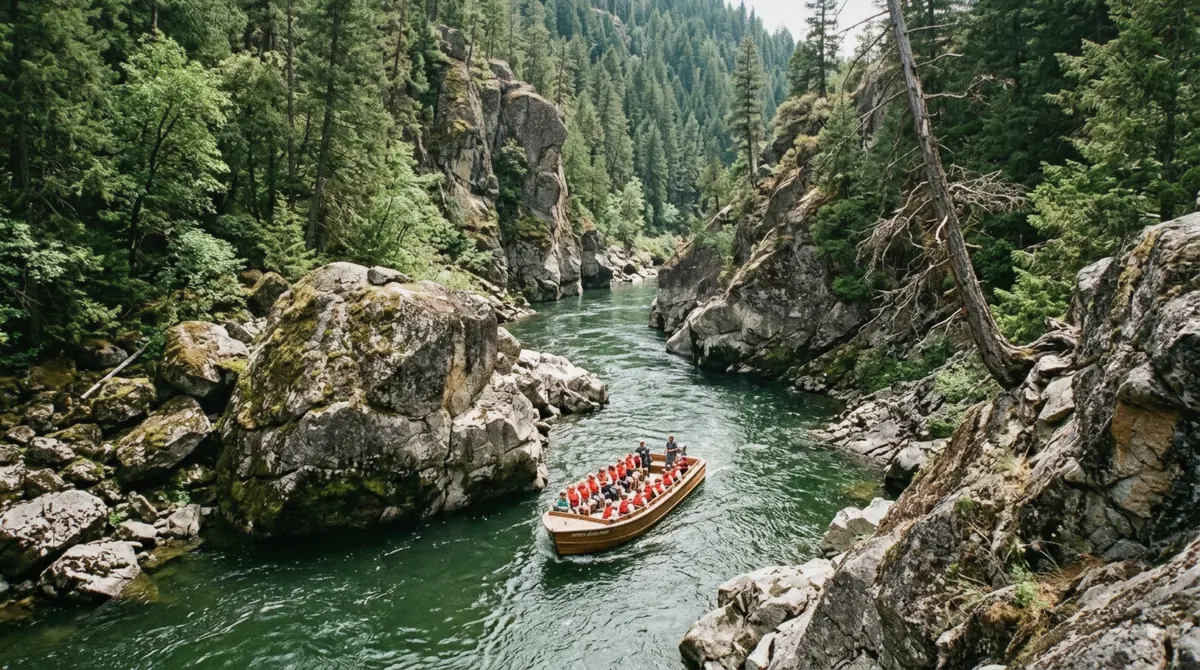
The Four Seasons on the Hozugawa
Spring (March to May): Blossoms and the Best Balance
This is the season most people mean when they search for the best time for the Hozugawa river boat ride. Late March into mid-April brings cherry blossoms along the whole gorge, mild highs of 14°C to 20°C, and a river running at a moderate, comfortable pace. It's also the busiest booking window of the year outside November, so lock in a seat several days ahead if sakura timing matters.
May trades blossoms for fresh green foliage and azaleas along the banks, with slightly thinner crowds than April and highs near 25°C. The half-day train-and-boat combo runs its full winter-free schedule through this whole season.
Summer (June to August): Faster Water, Fewer Crowds
June's rains genuinely change the ride: higher water speeds the descent to around 90 minutes instead of the usual two hours, a real trade for anyone short on time. July and August bring the year's hottest weather, 32°C to 33°C, with the canopy going up as much for sun as for rain. Crowds ease off from the spring peak, and booking lead time shortens to a few days rather than a week or more.
The private charter is a reasonable pick in this stretch for families wanting shade and space to themselves on a hot afternoon.
Autumn (September to November): Foliage and the Second Peak
September carries a real typhoon risk that can ground a departure with little notice, so this is the one autumn month worth watching the operator's morning status page closely. October settles into mild, mostly clear conditions with building crowds ahead of the main event. November is the year's second peak: foliage lines the entire gorge, demand rivals sakura season, and seats sell out days ahead even midweek.
The full-day tour with free time pairs well with this season's extended Arashiyama sightseeing afterward.
Winter (December to February): Quiet, Cold, and Limited
The service runs a reduced winter timetable from the second Monday of December through March 9: four departures between 10:00 and 14:30 instead of the regular season's eleven slots, in smaller 16-passenger boats with no heating on board. The service closes entirely from December 29 through January 4 each year. It's the quietest, cheapest-to-book stretch of the year for anyone willing to layer up, and the full-day train-boat-onsen combo is a natural fit for warming back up after a cold ride.
What Actually Affects Conditions
Most people assume rain ruins the ride. It's actually water level and wind, not rain, that decide whether a boat sails: a side canopy handles ordinary rain and the descent continues as scheduled, while a genuinely high or low river level, or strong wind, is what triggers a suspension regardless of whether the sky is clear. June's rains are the clearest example of how much this matters in practice: they push the river up enough to speed the run to roughly 90 minutes, a full 30 minutes shorter than the standard two-hour pace, without stopping the boats at all.
Two 2026 safety inspection days, February 4 and September 2, also close the service outright with no weather involved.
Month by Month, In Brief
A compressed run through all twelve months, for anyone comparing specific travel dates rather than a whole season.
- JanuaryCold, closed for New Year's weekThe winter timetable runs four departures a day, but the whole service is closed December 29 through January 4, so check the calendar before building a New Year trip around it.
- FebruaryThe coldest monthNo heating on the reduced 16-passenger winter boats. A 2026 safety inspection closes the service outright on February 4.
- MarchSakura begins, book ahead from mid-monthThe regular season resumes March 9 and blossoms typically start appearing in the back half of the month, with demand climbing fast.
- AprilPeak sakura, the busiest booking windowBlossoms line the whole gorge through mid-month; this is the single hardest window of the year to book last-minute.
- MayFresh green, a calmer alternative to AprilAzaleas along the banks and slightly thinner crowds than the sakura peak, with comfortably mild temperatures.
- JuneFaster water, shorter rideRains speed the descent to around 90 minutes instead of two hours, a genuine trade-off worth knowing about in advance.
- JulyWarm, humid, less crowdedThe canopy stays up more often for sun than for rain, and booking pressure eases from the spring peak.
- AugustThe hottest monthHighs reach 33°C; a light layer still helps once the boat gets into the gorge's shade.
- SeptemberTyphoon risk, watch the status pageThe month most likely to see a short-notice suspension; a 2026 safety inspection also closes the service on September 2.
- OctoberMild, clear, and easy to bookCrowds start building toward the November peak but haven't arrived yet, a good compromise month.
- NovemberFoliage peak, the year's second sell-out windowColor lines the entire gorge and demand rivals sakura season; book days ahead even on a weekday.
- DecemberCold returns, the service closes late monthThe winter timetable begins the second Monday of the month, then the service shuts down entirely from December 29 through year-end.
Best Time of Day, and the One Morning That Matters Most
Best Time of Day
During the sakura and foliage peaks, arrive as close to the first available slot as you can manage; the earliest departures see calmer boarding and the least risk of a sold-out later slot on a walk-up basis. Outside those two windows, time of day matters far less, and a midday slot is a fine default. The one operational note that applies every day of the year: boats can leave up to 30 minutes after the posted slot time, so build a buffer into whatever else is planned for that morning.
The Best Month If You Only Have One Morning
Ranked for a traveler locked into a single visit: late March or early April for the classic blossom scene, if the calendar allows booking a few days out; May as the calmer, nearly as scenic alternative if April is already gone; October for the best odds of mild, uncrowded conditions without chasing a color peak at all; and June if a shorter, faster ride actually suits a tight schedule better than the standard two hours.
The Worst Time to Visit, Honestly
The turn-of-the-year closure, December 29 through January 4, is the one stretch to plan around entirely rather than working with, since the service simply isn't running. Outside that, September carries the least predictable single-month risk: typhoon season can ground a departure with little warning, though it still works fine for a flexible traveler who checks the morning status page and has a backup day built into the itinerary.
What If the Weather Turns?
Ordinary rain is not the concern here; the canopy handles it and the boat sails on schedule. What actually grounds a departure is high wind, a typhoon, or the water level running too high or too low, and the operator posts that call each morning rather than the night before, with typhoons flagged the evening ahead instead. Weather suspensions on online bookings carry a full automatic refund.
For the complete scenario-by-scenario breakdown, including what each specific tour's fallback plan looks like, see what actually happens if your tour is cancelled for weather.
Best Season by Traveler Type
If You want the classic cherry-blossom photos
Late March to mid-April, and book several days ahead; this is the single busiest window of the year
If You want foliage instead of blossoms
November, all month, with the same sell-out risk as April; book just as early
If You're a first-timer who wants the safest bet against a suspension
May or October; mild weather, moderate crowds, and lower typhoon and storm risk than peak summer or September
If You're traveling on a budget and want easier booking
December through February, outside the year-end closure; the quietest, cheapest-to-book stretch, but pack layers for the unheated winter boats
If Your schedule is tight and a shorter ride actually helps
June, when higher water speeds the descent to around 90 minutes instead of the usual two hours
So, When Should You Go?
Late March through mid-April remains the best call for most travelers, blossoms, comfortable temperatures, and a moderate river pace, with November's foliage running an equally strong second for the same reasons in a different color palette. Budget-minded or flexible travelers do just as well in May or October, both calmer to book and still genuinely pleasant. The one window worth actively avoiding is December 29 through January 4, when the service is closed outright rather than just quieter.
Whichever window fits your trip, all Hozugawa boat ride options run through every season above, and the exact fee for each is on our tickets guide. When you are ready to pick a boat, the full Hozugawa river boat ride comparison puts every option side by side.
Questions About Timing Your Ride
What is the best month for the Hozugawa river boat ride?
Late March through mid-April, for cherry blossoms along the gorge and a moderate river pace. November's foliage season is an equally strong runner-up with similar demand.
Is the boat ride good in the off-season, winter?
Yes, with a real trade-off: the winter timetable runs only four departures a day in smaller, unheated 16-passenger boats from the second Monday of December through March 9, and the whole service is closed December 29 through January 4.
How far in advance should I book?
A reservation is not strictly required outside the peaks, but it costs nothing to hold one: a few days ahead is enough most of the year. During late March through mid-April and all of November, book at least several days ahead, since both windows sell out even on weekdays.
Is there a typhoon season that affects the boat ride?
September carries the highest storm risk of the year. The operator posts a go/no-go decision each morning, with typhoons flagged the evening before; see what actually happens if your tour is cancelled for weather for the refund mechanics.
Morning or afternoon, which is better?
During sakura or foliage peaks, aim for the earliest available slot for calmer boarding and less sold-out risk. Outside those two windows, time of day matters far less and a midday departure works fine.
When are prices lowest for the boat ride?
The fare itself barely moves by season; what changes is availability. Winter (December through February, outside the year-end closure) is the easiest and least pressured time to book, even though the listed price stays close to year-round.
Does the Sagano Romantic Train run all year?
No. It pauses in January and February for winter maintenance, so travelers planning a train-and-boat combination should aim for March onward instead.