 Arashiyama Boat Ride
Is the Hozugawa River Boat Ride Worth It? An Honest Look
Is the Hozugawa river boat ride worth it? Yes, if you want two unhurried hours on a wooden boat through a forested gorge and don't mind backless benches and a fixed departure time; no, if your Kyoto morning is already packed and a shorter, free alternative would do the job just as well. As of August 2026, the ride itself runs from $41.59 online, and the combo tours that pair it with the Sagano Romantic Train or an onsen stop start around $90. What follows weighs the real cost against the real experience, names the honest downsides operators don't put in their marketing, and says plainly who should book and who should skip it.
Quick answer The conditional verdict, the real price range, and the two downsides worth knowing
The Hozugawa river boat ride is worth it if you want a genuinely different two hours in Kyoto, a slow wooden-boat descent through a forested gorge rather than another temple or shopping street, and you don't mind backless seating and a fixed departure. It's a harder sell if you're short on time or budget, since the ride alone runs from $41.59 while the combo tours that add the Sagano Romantic Train or an onsen stop start around $90. The boat lands a short walk from the Arashiyama bamboo grove, so the two attractions pair naturally into one morning.
Key takeaways
- From $41.59 for the solo two-hour ride (see the current lineup), climbing past $90 once a train or onsen stop is folded in, the full breakdown is on our tickets guide
- The honest trade-off: six rows of backless wooden benches and no restroom once you're on the water
- Best booked outside the sakura and foliage sell-out weeks, when seats aren't already gone days ahead
- The boat lands a few hundred metres from the free Arashiyama bamboo grove, an easy add-on to the same morning
- Families should check the boarding rule first: the limit is a child's height, not their age
The Short Answer
The case for booking holds up when a few specific things are true about your trip; the case against it holds up just as clearly when they aren't.
Worth It If
- You have a free morning and want two hours that feel completely different from a temple circuit or a shopping street
- You're already planning an Arashiyama morning and can fold the ride into a walk through the bamboo grove or a stop at the monkey park
- You don't mind sitting on a backless wooden bench for up to two hours in exchange for a slow, quiet approach to the gorge
Skip It If
- Your Kyoto itinerary is already full and two hours plus transit time genuinely doesn't fit
- A tight budget makes even $41.59 for a single activity a stretch, especially once train fare to Kameoka is added on top
- You get seasick easily or have a bad back; the ride runs up to two hours on unpadded wooden seating with no backrest
What It Actually Costs
The numbers below are what real travelers pay for each option, not a marketing range.
| Option | Typical price | Duration | Best for |
|---|---|---|---|
| Hozugawa River Boat Ride (2-hour descent) | from $41.59 | ~2 hours | First-time riders who just want the river |
| Half-Day: Sagano Train + Boat Ride | from $90.79 | 4.5 hours | Combining the scenic train with the river |
| Full-Day: Train, Boat & Onsen | from $150 | 4.5–5 hours | A slower day with a hot-spring finish |
| Half-Day Whitewater Rafting | from $60 | 3.5 hours | Travelers who want rapids instead of a calm descent |
| Private Boat Charter (up to 17) | from $998.35 | ~2 hours | Groups and families wanting the boat to themselves |
A solo rider on the standard descent pays the least of any option here: from $41.59 for the two-hour Hozugawa river descent itself. Add the Sagano Romantic Train or an onsen stop and the price climbs past $90, mostly for the extra transport and inclusions rather than a better boat. The half-day whitewater rafting trip actually undercuts the standard boat ride at $60, but it trades the calm float for white water, a different activity, not a discount version of the same ride.
The steepest jump is the private charter, which buys the whole boat rather than a shared seat, and only makes financial sense once a group is large enough to split $998.35 several ways. For the full breakdown of official walk-up pricing, online rates, and group discounts, see our tickets guide.
What You Get for the Money
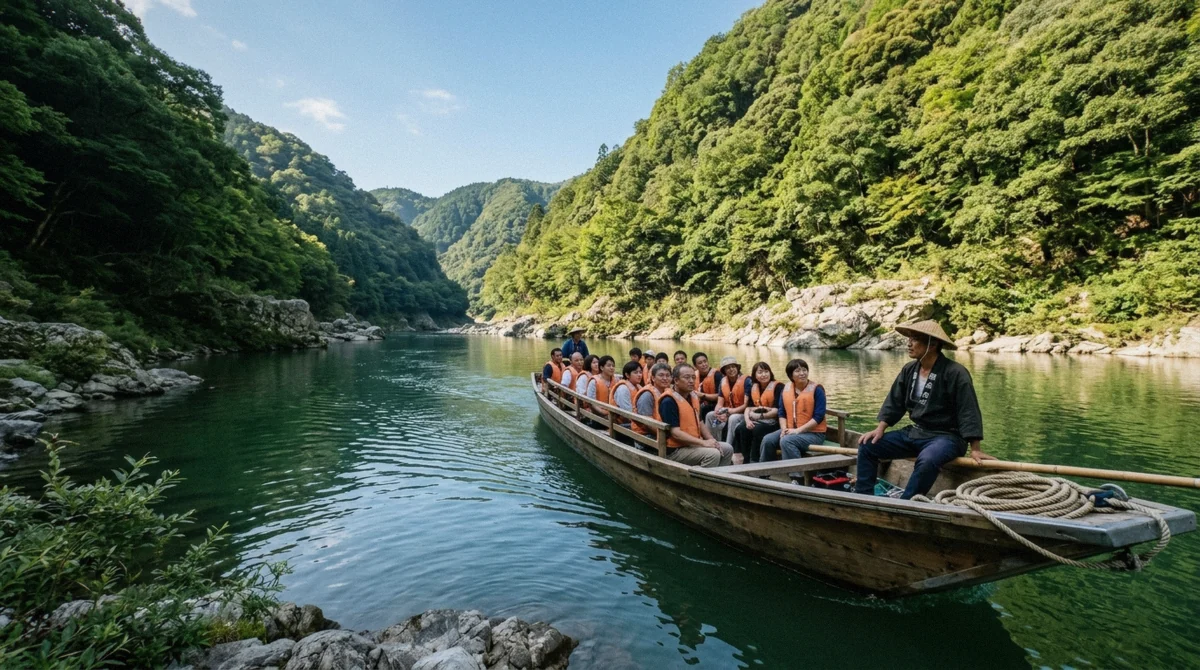
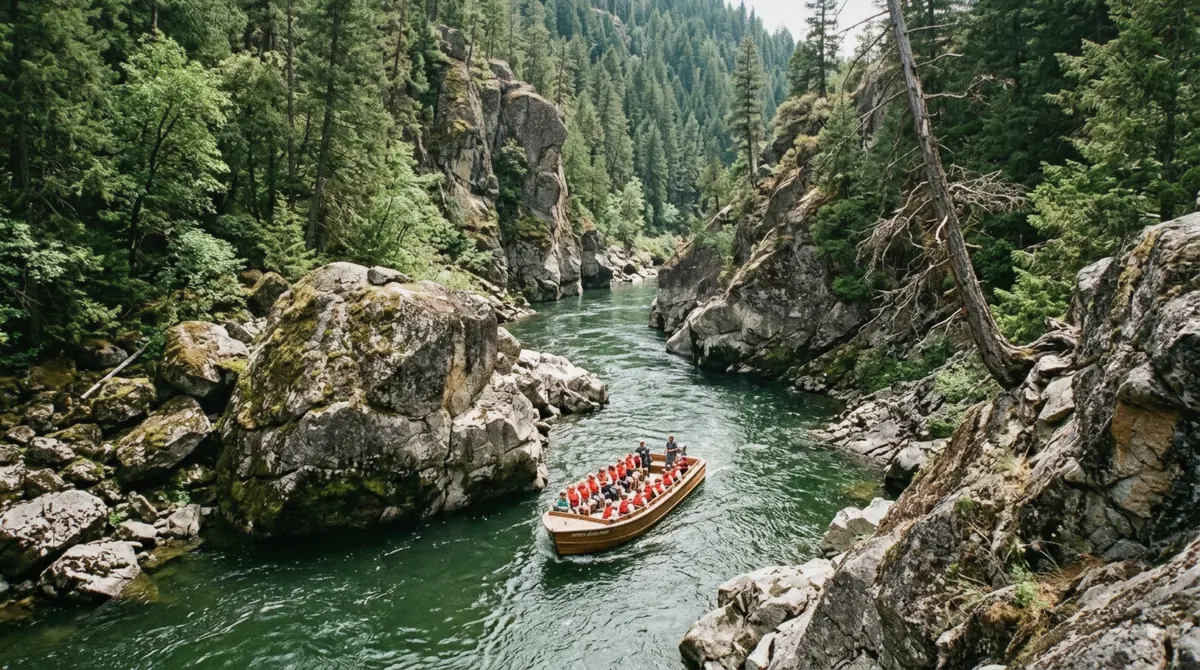
The trip starts at the Kameoka dock, where three sendo boatmen, one working a bamboo pole at the bow, one on an oar amidships, one steering from the stern, take a flat-bottomed wooden boat carrying up to two dozen passengers down 16 kilometres of the Hozugawa gorge toward Arashiyama. Life jackets are handed out and mandatory before the boat leaves; nothing else is bundled into the base fare beyond the seat and the ride itself. The descent passes the Eboshi-iwa rock formation, the small Koayu-no-taki falls, and Daihikaku Senko-ji temple on the cliffside, a route the boatmen have worked for years; new crew typically spend around a decade training before they qualify to steer.
Wildlife along the banks shows up on an ordinary run rather than being staged for tourists: monkeys, grey herons, kingfishers and turtles are common sightings, with no guarantee attached to any single trip. Partway down, a food boat pulls alongside selling grilled skewers, mitarashi dango, pickled cucumber and amazake, cash only, nothing on the standard ticket covers it. The boat lands a short walk upstream of Togetsukyo Bridge, close enough to the Arashiyama bamboo grove that most riders walk straight there afterward.
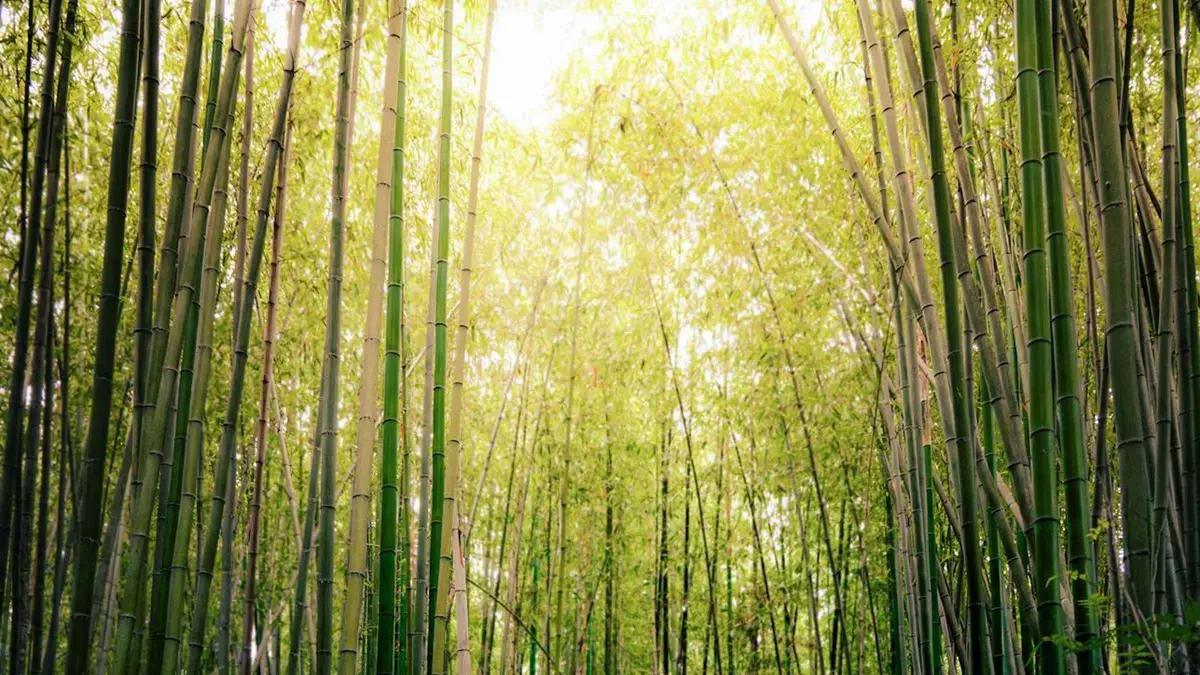
For comparison, the neighboring Arashiyama bamboo grove is a free, roughly fifteen-minute walk, while the boat ride is a paid two-hour river descent, a different pace and a different price for a different kind of morning. Most visitors end up doing both back to back rather than choosing one over the other.
The Honest Downsides
None of these are dealbreakers on their own, but they're the parts of the trip most glowing reviews leave out.
- Six rows of backless wooden benches for up to two hours; bring a folded towel or thin cushion if a long, unsupported sit bothers you
- There is no restroom on board once the boat leaves the dock; use the facilities at Kameoka before boarding
- Boats can leave up to 30 minutes after the scheduled slot, so arrive early rather than timing your arrival close
- Late March through mid-April and all of November sell out days ahead, even on weekdays, so book those windows well in advance (full seasonal breakdown)
- No heating on the winter service, and boats run at a reduced 16-passenger capacity from December through early March; layer up if you're riding then
When It's Worth It Most
The ride runs year-round, but timing changes the experience more than the price does. Spring's sakura season, late March into mid-April, and autumn's foliage stretch through November are the two windows worth planning around, with river banks lined in color, and also the two stretches most likely to sell out days ahead. Rain rarely cancels a departure; a side canopy goes up and the boat still sails.
What actually grounds a boat is high wind, storms, or water levels running too high or too low, and the operator posts that call each morning rather than the night before, except ahead of typhoons. For a full month-by-month breakdown, including the winter timetable and the days the service is closed altogether, see our best-time guide.
Who Should Do It, and Who Should Skip It
If You're touring Kyoto with school-age kids
Do it. The only hard rule is a minimum height of 80 cm, not an age cutoff, so most kids clear it. Full detail on our family guide
If You're a first-time visitor with one Kyoto morning to spare
Do it, ideally paired with the bamboo grove walk right at the landing point; it's a genuinely different two hours from a temple circuit
If You're traveling on a tight budget
Consider the whitewater rafting alternative instead. It starts lower, at $60, though it trades the calm float for white water
If You get seasick or have back or mobility issues
Skip the standard boat, or look at the private charter instead; backless wooden benches for up to two hours are a real physical ask
If You're visiting during sakura or foliage season
Book at least a few days ahead; these are the two windows most likely to sell out
How to Book Without Overpaying
Book the standard ride at least a few days ahead outside peak season, and well over a week ahead during the sakura and foliage windows named above. The online booking's free-cancellation policy, cancel by 23:59 the day before at no cost, is worth using if your Kyoto weather forecast is still shifting; same-day changes and no-shows aren't refunded. For a first Kyoto morning, the standard two-hour descent is the simplest, cheapest way in.
Travelers who want the train ride included without arranging the connections themselves tend to do better with the half-day train-and-boat combo, and anyone traveling with a larger group should price out the private charter before assuming the shared boat is cheaper per person. The exact fee math for both sits on our tickets guide.
None of this makes the decision for you, but the numbers and the downsides above should. If the two-hour price and the honest list of what to expect still sound right for your trip, compare Hozugawa river boat tours and pick a departure slot. For the full fee breakdown, see our tickets guide; for timing, the catalog lists every departure and season side by side on the homepage.
Questions About Whether It's Worth It
Is the Hozugawa river boat ride worth it?
Yes, if you want two unhurried hours through a forested gorge and don't mind backless benches and a fixed schedule. It's a weaker fit for a packed itinerary or a very tight budget, since the ride alone starts at $41.59 and the combo tours built around it run $90 and up.
What is the best boat tour in Kyoto for a first-time visitor?
For most first-timers, the standard two-hour Hozugawa descent is the simplest, cheapest way onto the river. It requires no add-ons, lands within walking distance of the Arashiyama bamboo grove, and doesn't lock you into a longer combo itinerary.
Is the ride comfortable for a full two hours?
It's a real physical ask for some travelers. Seating is six rows of backless wooden benches with no cushioning, and there's no restroom on board once the boat leaves the dock. A folded towel or thin cushion helps; the trade-off is a slow, quiet approach to the gorge you don't get any other way.
Is the boat ride good for people prone to seasickness or back pain?
The river itself is calm rather than rough, so motion sickness is a minor concern for most riders, but the hard bench seating for up to two hours is the bigger issue for anyone with back or mobility limitations. The private charter is worth considering for that group, since it doesn't change the seating but does remove the pressure of a fixed shared schedule.
How does the boat ride compare to just walking the bamboo grove?
The bamboo grove is a free, roughly fifteen-minute walk right at the boat's landing point; the boat ride is a paid two-hour river descent that starts upstream in Kameoka. They're different experiences at a different pace and price, and most visitors who do one end up doing both in the same morning.
Is the Hozugawa river boat ride good for a rainy day?
Light rain is genuinely fine; a side canopy goes up and the boat still sails on schedule. What actually cancels a departure is high wind, storms, or the water level running too high or too low, not rain on its own, so check the operator's morning status page rather than the weather forecast alone.